


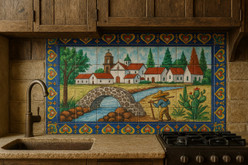
The Artisan Heritage Behind Authentic Mexican Talavera Tile Craftsmanship
Authentic Mexican Talavera tile craftsmanship represents one of the most enduring artistic traditions in the Americas. For centuries, artisans have preserved techniques that transform natural clay, mineral pigments, and fire into vibrant ceramic works of art. Every Talavera tile reflects a legacy of skill, patience, and cultural heritage passed down through generations, making it far more than a decorative building material.
Today, Talavera tiles continue to be admired by homeowners, architects, interior designers, and collectors who appreciate the value of handmade craftsmanship. Their distinctive colors, hand-painted patterns, and subtle variations tell a story of tradition that cannot be replicated through industrial manufacturing. Understanding the artisan heritage behind Talavera provides deeper appreciation for why these tiles remain among the most celebrated ceramic products in the world.
From their historical origins to the meticulous production process still practiced today, Talavera tiles embody a living craft that connects modern spaces with centuries of artistic tradition.
The Historical Origins of Talavera Craftsmanship
The story of Talavera begins during the colonial period, when Spanish ceramic techniques were introduced to Mexico. These methods blended with existing indigenous pottery traditions, creating a unique ceramic style that would eventually become known as Talavera.
Rather than simply copying European techniques, Mexican artisans adapted them using local materials, artistic influences, and cultural traditions. Over time, a distinctive identity emerged, characterized by bold colors, intricate hand-painted motifs, and exceptional craftsmanship.
This fusion of cultures created one of Mexico’s most recognizable artistic traditions. The patterns, colors, and production methods that define Talavera today are the result of centuries of refinement and artisan innovation.
A Tradition Passed Through Generations
One of the most remarkable aspects of Talavera craftsmanship is the way knowledge is transmitted. In many artisan communities, ceramic techniques are passed directly from one generation to the next. Children often grow up surrounded by workshops where parents, grandparents, and relatives practice the craft daily.
This generational transfer of knowledge preserves skills that cannot be fully learned through books or formal instruction. Master artisans develop an intuitive understanding of clay preparation, brushwork, glazing, and firing through years of experience.
The result is a living tradition where every generation contributes to preserving and strengthening the craft while maintaining its authenticity.
The Foundation: Natural Clay and Raw Materials
The artisan journey begins with natural clay. High-quality ceramic production depends on selecting and preparing suitable raw materials. Clay must be carefully refined to remove impurities and achieve the correct consistency for shaping.
Unlike synthetic materials used in modern industrial production, natural clay behaves differently from batch to batch. Experienced artisans understand these variations and adjust their techniques accordingly.
This relationship between artisan and material is one of the defining characteristics of traditional Talavera production. The craft depends not only on technical skill but also on deep familiarity with the materials themselves.
Hand Forming Every Tile
Once the clay is prepared, artisans shape individual tiles using traditional methods. Each tile is formed manually, ensuring that every piece receives individual attention throughout the process.
This stage introduces subtle variations in thickness, dimensions, and texture. While industrial manufacturing seeks absolute uniformity, Talavera embraces these differences as signs of authenticity.
The slight individuality of each tile contributes to the warmth and character that distinguish handmade ceramic surfaces from factory-produced alternatives.
The Importance of Drying and Initial Firing
After shaping, tiles must dry naturally before entering the kiln. This drying process is carefully controlled because rapid moisture loss can cause cracking or warping.
Once sufficiently dry, the tiles undergo an initial firing. This first firing transforms the clay into a hardened ceramic body capable of receiving decoration and glaze.
Even at this stage, artisan expertise plays a critical role. Understanding firing temperatures, timing, and kiln conditions requires years of practical experience.
The Art of Hand-Painted Decoration
Perhaps the most celebrated aspect of Talavera craftsmanship is the painting process. Skilled artisans decorate each tile by hand using mineral-based pigments that react with the glaze during firing.
Traditional motifs often include floral designs, geometric patterns, scrollwork, botanical elements, and cultural symbols. These designs are carefully applied using brushes and techniques refined over generations.
Because every brushstroke is executed manually, no two tiles are exactly identical. The slight differences in line movement, color density, and artistic interpretation create the individuality that defines authentic Talavera.
This stage transforms a ceramic tile into a piece of functional art.
Glazing: Bringing Color and Protection Together
After painting, artisans apply glaze to the tile surface. This glaze serves both aesthetic and practical purposes. It enhances color vibrancy, creates the characteristic glossy finish, and protects the ceramic from moisture and wear.
The glazing process requires careful application to ensure consistent coverage without obscuring the painted design. Experienced artisans understand how the glaze will behave during firing and adjust their techniques accordingly.
The relationship between pigment, glaze, and kiln temperature is one of the most complex aspects of Talavera production.
The Final Firing Process
The final kiln firing permanently fuses the glaze and painted decoration to the ceramic body. During this stage, the colors develop their full richness and depth.
The kiln itself becomes an active participant in the artistic process. Variations in temperature, airflow, and placement can subtly influence the final appearance of each tile.
These effects contribute to the natural variation that makes handmade Talavera so distinctive. No firing produces perfectly identical results, which is precisely what many collectors, designers, and homeowners appreciate.
Why Variation Is a Mark of Authenticity
One of the most misunderstood aspects of handmade ceramics is variation. Authentic Talavera tiles naturally exhibit slight differences in color, glaze movement, pattern interpretation, and surface texture.
These variations are not defects. They are evidence that each tile has been individually crafted and decorated by hand. In fact, uniform perfection often indicates machine production rather than artisan work.
When installed together, these subtle differences create visual depth and movement that cannot be achieved with industrial materials.
The Cultural Significance of Talavera Tiles
Talavera tiles are more than decorative products; they are cultural artifacts. They reflect centuries of artistic development, regional identity, and artisan knowledge.
The patterns and colors often draw inspiration from nature, architecture, historical influences, and local traditions. This cultural richness gives Talavera a depth of meaning that extends beyond aesthetics.
For homeowners and designers, incorporating Talavera into a project introduces not only beauty but also a connection to a living artistic tradition.
The Role of Talavera in Contemporary Design
Although deeply rooted in history, Talavera remains highly relevant in contemporary architecture and interior design. Designers increasingly seek materials that offer authenticity, individuality, and craftsmanship.
Talavera tiles provide exactly these qualities. They work beautifully in traditional homes, contemporary residences, luxury properties, restaurants, boutique hotels, and commercial spaces.
The combination of historical significance and modern versatility helps explain why Talavera continues to thrive in current design environments.
Supporting Artisan Communities
Choosing authentic handmade Talavera also supports artisan communities dedicated to preserving traditional craftsmanship. Every purchase helps sustain workshops, families, and local economies that depend on ceramic production.
This support is particularly important in an era dominated by mass production. By investing in artisan-made products, homeowners contribute to the continuation of cultural heritage that might otherwise disappear.
The value of Talavera extends beyond the finished tile itself—it includes the preservation of knowledge, tradition, and craftsmanship.
Explore Authentic Mexican Talavera Tiles
If you are interested in incorporating authentic handcrafted ceramics into your project, you can explore our collection of Mexican Talavera tiles to discover designs inspired by centuries of artisan tradition.
For assistance selecting patterns, colors, or applications that best suit your space, we invite you to contact our team. We are happy to help you find products that reflect both your design goals and appreciation for craftsmanship.
Conclusion: A Living Legacy of Craftsmanship
The artisan heritage behind authentic Mexican Talavera tile craftsmanship is a story of skill, culture, and continuity. Every tile reflects generations of knowledge, artistic expression, and dedication to traditional methods.
In a world increasingly shaped by automation, Talavera remains a powerful reminder of the value of handmade artistry. Its enduring beauty comes not only from color and pattern but from the human hands that create it. By incorporating authentic Talavera into a home or project, you become part of a tradition that continues to inspire and enrich spaces around the world.