


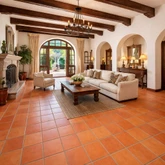
The Emotional Impact of Colorful Mexican Talavera Tiles in Luxury Interior Design
Luxury interior design is often associated with refined materials, custom craftsmanship, architectural balance, and emotional atmosphere. While stone, wood, brass, and natural plaster remain central to high-end interiors, colorful Mexican Talavera tiles introduce something uniquely powerful into luxury spaces: emotional warmth. Their handcrafted patterns, vibrant palettes, and cultural authenticity create interiors that feel more alive, expressive, and memorable.
Talavera tiles are not simply decorative surfaces. They influence how a space is experienced emotionally. Color affects perception, comfort, energy, and mood, and few materials use color as effectively as handmade Mexican ceramics. In luxury design, where individuality and character are increasingly valued over uniform minimalism, Talavera tiles provide a rare combination of artistry, architectural presence, and emotional depth.
From kitchens and bathrooms to courtyards, fireplaces, staircases, and statement walls, colorful Talavera tiles help transform interiors into environments that feel curated, welcoming, and culturally rich. Their impact extends beyond aesthetics, shaping the emotional identity of the home itself.
Why Color Has Emotional Power in Interior Design
Color is one of the most influential elements in any interior environment. It changes the perceived warmth of a room, affects mood, and guides visual attention throughout a space. Luxury interiors often rely on restrained palettes to create calm and sophistication, but carefully introduced color can elevate a space emotionally and architecturally.
Talavera tiles excel in this area because their colors are layered, organic, and handcrafted. Deep cobalt blues create calmness and depth. Warm yellows introduce energy and sunlight. Terracotta tones add earthiness and comfort. Greens connect interiors to nature, while white backgrounds balance the compositions visually.
Unlike synthetic finishes or digitally printed surfaces, Talavera glazes develop naturally during the kiln-firing process. This gives the colors subtle movement and tonal variation, making them feel richer and more authentic. The emotional response created by these handmade surfaces is noticeably different from that of industrial materials.
Luxury Interiors Need Warmth, Not Just Precision
Many luxury interiors emphasize precision, symmetry, and clean architectural lines. While these qualities create sophistication, they can sometimes result in spaces that feel emotionally distant or overly controlled. Talavera tiles introduce warmth and humanity into these environments.
The slight imperfections and variations found in handmade ceramics soften highly structured spaces. This balance is especially important in luxury homes, where the goal is often to create interiors that feel elegant without becoming cold or impersonal.
A handcrafted Talavera backsplash in a luxury kitchen, for example, immediately changes the emotional tone of the room. It creates a focal point that feels personal and artistic rather than purely functional. Similarly, a bathroom with colorful Talavera tiles feels more intimate and layered than one finished entirely in uniform stone.
The Human Connection to Handmade Materials
One reason Talavera tiles have such a strong emotional impact is because people instinctively respond to handmade craftsmanship. Human beings recognize variation, texture, and brushwork at a subconscious level. These details communicate effort, artistry, and individuality.
Every Talavera tile is painted by hand, meaning no two pieces are perfectly identical. Slight differences in color intensity, line movement, and glaze texture create a visual rhythm that feels natural and alive. This handcrafted quality introduces emotional depth into luxury interiors, where authenticity has become increasingly important.
In a market saturated with mass-produced finishes, handmade Talavera stands apart because it reflects the presence of the artisan. This creates a stronger emotional relationship between the homeowner and the space.
How Talavera Tiles Influence the Atmosphere of a Space
Kitchens
Luxury kitchens often use neutral materials such as marble, oak, brass, or matte cabinetry. Talavera tiles introduce warmth and energy into these spaces without compromising sophistication. A colorful backsplash can make the kitchen feel more inviting while still maintaining architectural elegance.
Bathrooms
Bathrooms designed with Talavera tiles often feel more calming and expressive than spaces dominated by uniform porcelain or stone. The handcrafted patterns create visual softness, while the colors bring personality into the room.
Courtyards and Outdoor Spaces
Talavera tiles are especially effective in luxury outdoor living areas because they connect architecture to nature. Their vibrant tones complement sunlight, greenery, stone, and water features, creating environments that feel both refined and welcoming.
Fireplaces and Accent Walls
A fireplace surrounded by Talavera tiles becomes more than a heat source—it becomes an emotional centerpiece. Similarly, a colorful tiled accent wall can define the atmosphere of an entire room.
The Cultural Richness Behind Talavera Tiles
Part of the emotional impact of Talavera comes from its cultural depth. These tiles are rooted in centuries of Mexican ceramic tradition, blending indigenous craftsmanship with Spanish influences. Their patterns and colors reflect history, artistry, and regional identity.
Luxury interiors increasingly value materials with story and meaning. Talavera tiles offer both. They are not anonymous products manufactured without context; they are cultural artifacts shaped by generations of artisans.
When integrated into a home, Talavera tiles bring a sense of place and narrative into the design. This creates interiors that feel more meaningful and emotionally resonant.
Colorful Tiles as Architectural Elements
Talavera tiles are not limited to decorative applications. They can actively shape the architecture of a space by emphasizing form, rhythm, and proportion.
For example, stair risers finished with Talavera tiles create movement and visual continuity. Arched niches lined with colorful ceramic patterns gain greater depth and presence. Kitchen backsplashes framed by cabinetry become architectural compositions rather than simple wall coverings.
This ability to function architecturally is part of what makes Talavera so valuable in luxury design. The tiles interact with the structure of the home rather than sitting passively on top of it.
The Balance Between Boldness and Sophistication
One of the challenges of using colorful materials in luxury interiors is maintaining elegance. Talavera tiles succeed because their craftsmanship gives them sophistication even when the colors are vibrant.
The key lies in balance. Talavera works especially well when paired with restrained materials such as limestone, natural oak, polished plaster, iron, brass, or marble. These combinations allow the tiles to stand out without overwhelming the space.
Designers often use Talavera selectively, concentrating color in focal areas while keeping surrounding surfaces more neutral. This strategy creates contrast and emotional impact while preserving refinement.
Why Handmade Variation Enhances Emotional Depth
Luxury interiors increasingly prioritize authenticity over perfection. Handmade Talavera tiles naturally align with this philosophy because their slight variations create visual richness and individuality.
Differences in brushstroke, glaze movement, color intensity, and tile thickness make the installation feel organic. These imperfections create depth that machine-made materials cannot replicate.
This variation also changes how light interacts with the surface. As sunlight moves across handmade tiles, the subtle differences between pieces become more visible, making the space feel dynamic throughout the day.
The Psychological Comfort of Warm Colors and Artisan Surfaces
Warm and expressive interiors often create stronger emotional comfort than sterile environments. Talavera tiles contribute to this effect through both color and texture.
The glossy ceramic surfaces reflect light softly, while the handcrafted patterns create visual complexity that keeps the eye engaged. This combination makes interiors feel layered and welcoming.
In luxury homes, where spaces are often large and architecturally open, Talavera can help create intimacy and emotional grounding. It gives rooms personality and helps prevent them from feeling overly formal or detached.
Using Talavera in Contemporary Luxury Design
While Talavera is deeply traditional, it adapts remarkably well to contemporary luxury interiors. Modern designers often use these tiles in cleaner compositions, allowing the craftsmanship and color to become the primary focus.
Minimalist kitchens with handmade Talavera backsplashes, modern bathrooms with colorful sink surrounds, and contemporary courtyards with tiled fountains demonstrate how versatile these ceramics can be.
The contrast between modern architecture and handcrafted tile often creates some of the most visually compelling interiors.
Explore Authentic Handmade Talavera Tiles
If you are looking to create interiors that feel warm, artistic, and emotionally engaging, you can explore authentic Talavera tiles and ceramics for kitchens, bathrooms, staircases, patios, and architectural applications.
For assistance selecting colors, patterns, or applications for your project, you can contact our team for personalized guidance.
Conclusion: Luxury Design With Emotional Resonance
Colorful Mexican Talavera tiles do more than decorate luxury interiors. They shape the emotional atmosphere of the home through color, craftsmanship, texture, and cultural depth. Their handcrafted quality creates warmth, while their vibrant patterns introduce artistry and individuality into architectural spaces.
In an era where luxury increasingly values authenticity and emotional connection, Talavera tiles offer something truly distinctive. They transform interiors from visually impressive spaces into environments that feel personal, expressive, and deeply alive.